We’ve had lots lively conversations of late – my colleague Rob and I – as we’ve looked to define the Biscuit Club’s guiding principles. And as weird (or pretentious!) as it might sound, I’ve found myself referencing Michelangelo on a fair few occasions when discussing values such as the importance of leading with curiosity. To be clear, I’m talking about the Renaissance artist known for painting the Sistine Chapel ceiling, not the pizza-loving, Teenage Mutant Ninja Turtle. So when it came to writing some articles on what we’re all about, Michelangelo felt like a very natural topic – and, to be honest, quite a nice chance to nerd out (and to finally put my dusty art history degree to some use)!
So here you go, some lessons from Michelangelo’s bold approach to his work – leading with curiosity, breaking the rules, harnessing your unique strengths, and trusting your vision. (And if you’re not so keen on the art history lecture, you can skip right to the ‘takeaway for brands’ box at the end of each lesson).
Why Michelangelo? Yes, he was a true genius whose work has stood the test of time, just as impactful now as it was 500 years ago. But it wasn’t simply his raw talent that set him apart. It was his courage to break the rules and to take risks that unleashed the power of this talent, pushing artistic boundaries and making him one of the west’s most celebrated artists, even today. For brands looking to go the distance, there are a lot of lessons to learn from Michelangelo’s approach to his work…
Lesson 1: Lead With Curiosity
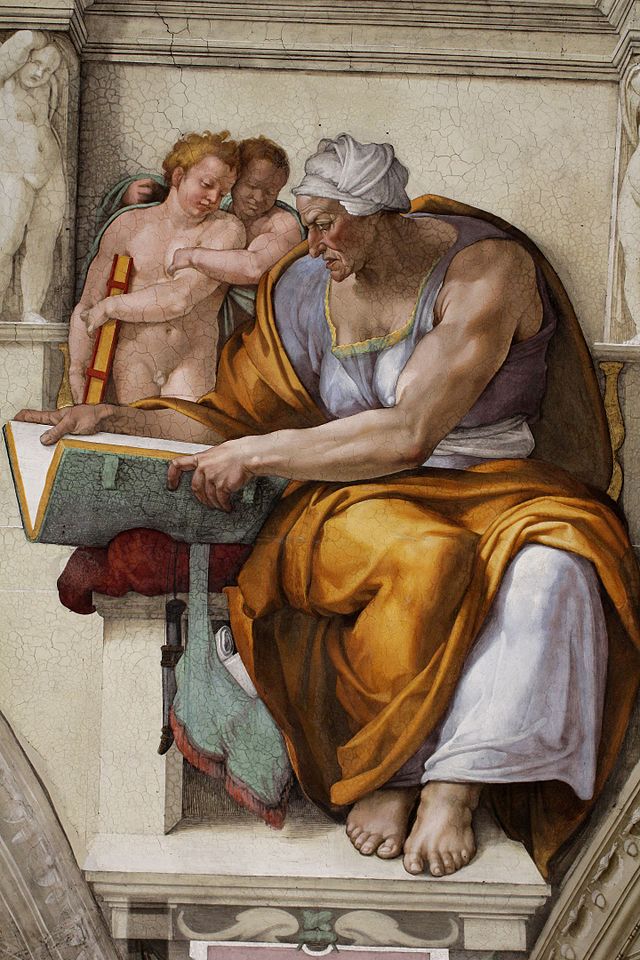
If you’re at all familiar with Michelangelo’s work, chances are you’re now imagining some sort of impossibly muscular, naked (or nearly naked) figure. No judgement here – Michelangelo’s ability to bring the human body to life, in all its glory, is legendary. He achieved this by developing a really deep understanding of the human anatomy, which wasn’t merely the result of copying models or studying the work of other artists; it came from dissecting human cadavers himself. He wasn’t satisfied with depicting what he saw on the surface – he needed to understand why bodies appear as they do, and how muscles and bones work together in movement and tension. And while he wasn’t the only dissection-curious artist of his time, he seemed to take a more obsessive approach to this practice than most. He went as far as to strike up a bit of a deal with a convent, where he’d secretly dissect bodies awaiting burial (needless to say, an illegal practice at the time). This deeper understanding of the human anatomy enabled him to draw, paint, and sculpt the almost superhuman figures of his imagination, in a way that somehow feels both over-the-top yet realistic.
Takeaway # 1 for brands:
By delving beneath the surface of the human body through deep dissection, Michelangelo transcended mere accuracy. Ethical debates aside, his dedication to (quite literally) getting under the skin of his subject helped redefine how the human body was depicted and set a new standard for generations of artists.
This is a very real example of how deconstructing a subject – and asking why things appear as they do – can unleash new possibilities. When approaching new challenges or opportunities for your brand, don’t base your approach on surface-level ‘givens’. Lead with curiosity: every time you think you’ve uncovered an insight, ask ‘why’ again, to get to the core truths behind a situation. That’s how innovation and unique solutions are born.
Lesson 2: Master The Rules, Then Break Them
Michelangelo took the time to dissect and deeply understand the world around him – and this included artistic conventions. But his brilliance lay in his willingness to then knowingly break these rules in the interests of creating more dynamic and meaningful works.
It’s perhaps less well-known that Michelangelo was something of an architect too (as if being a genius sculptor and painter wasn’t enough), mastering and then very intentionally breaking and reinterpreting the classical rules of Greek and Roman architecture that his Renaissance contemporaries had spent so much time codifying.
A prime example is Florence’s Laurentian Library vestibule (a niche reference, I know, but bear with me!). Here, Michelangelo used a classical ‘vocabulary’ of columns, niches, and pediments but reassembled these elements in unexpected ways.
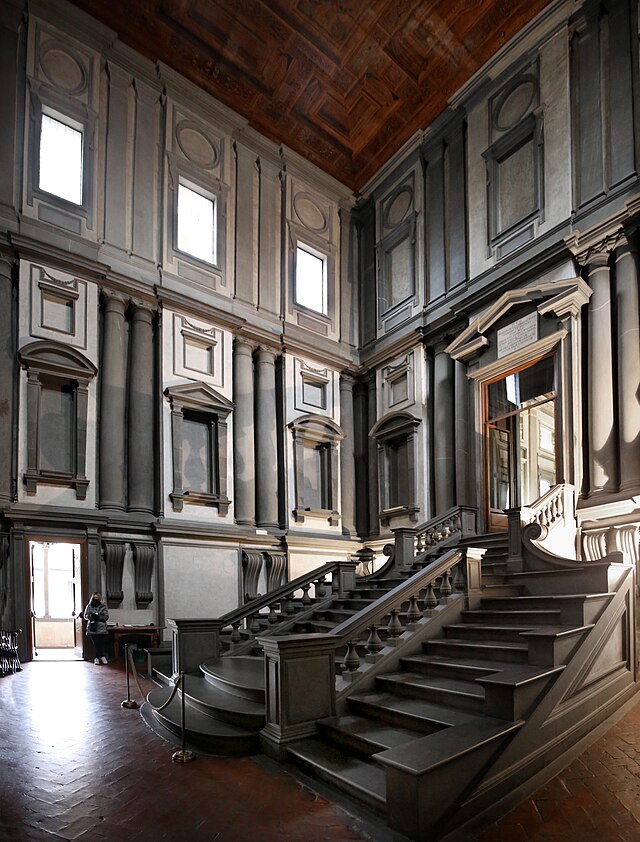
Let’s look at his use of columns as an example. In classical architecture, columns traditionally serve as freestanding supports, playing a functional role and providing a sense of stability and order. However, in the vestibule of the Laurentian Library, Michelangelo dramatically subverts this traditional role. Instead of standing free, the columns are recessed into the walls, appearing as though they are sinking into, or even by squeezed by, the surrounding walls. This design not only upends the conventional function of columns but also creates a striking sense of compression, creating an unsettling effect upon the viewer.
Unconventional choices such as this broke with the ‘grammar’ of classical architecture, heightening the space’s drama and evoking a sense of unease—and served as a stark contrast to the serene, orderly library beyond the vestibule.
Takeaway # 2 for brands:
Michelangelo’s artistic impact often came from his ability to assimilate the existing rules – and then very deliberately break them in service of a powerful vision.
Are you blindly following industry norms just because they exist or they’re ‘what customers expect’? Take the time to understand the logic driving these conventions – and consider where subverting these might help you lean into your unique brand identity or value proposition more forcefully. Breaking the rules in this way may represent an opportunity to set your brand apart from the competition and connect more powerfully with customers.
Lesson 3: Harness What Sets You Apart
When the pope asked Michelangelo to paint the Sistine Chapel ceiling – now arguably his most famous work – Michelangelo initially refused, on the grounds he was a sculptor, not a painter.
But, my, did he turn that apparent shortcoming into a strength. As a master sculptor, Michelangelo approached his ceiling paintings as if they were three-dimensional physical objects. The architectural frameworks and sculptural figures surrounding his Old Testament scenes are rendered entirely in paint, yet they appear so lifelike that they seem to project outward. Many of his figures have such a sense of physicality – the combined result of his anatomical understanding and sculptor’s mindset – that they almost appear ready to descend from the ceiling.
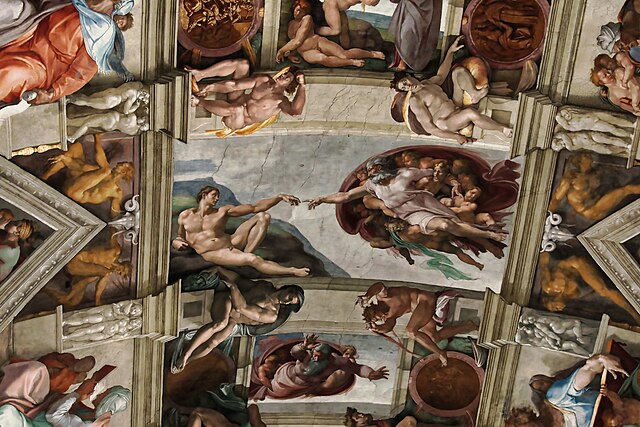
Michelangelo also brought his sculptor’s eye to bear on his architectural designs – his Laurentian Library vestibule, mentioned above, features a huge freestanding staircase that’s as much sculpture as functional staircase.
Takeaway # 3 for brands:
By channelling his sculptural mastery into the less familiar art forms of painting and architecture, Michelangelo brought a fresh, innovative energy to these fields, creating some of the most striking masterpieces of the period.
Are you super clear on your business’s unique strengths, what really sets you apart from the competition? If not, make it a priority to figure this out*. If you are, consider whether there are there ways in which you could harness this power more fully: can you use it to fuel growth into new areas or to double down on an existing goal?
Lesson 4: Don’t Be a Slave to Customer Feedback
Michelangelo was known for being a bit… difficult. He didn’t always play nice with his patrons (even when those patrons were powerful figures like the pope). Instead of bowing to their demands, Michelangelo often stuck to his own vision, sometimes even pushing back against the specifications of his commissions: in the case of the Sistine Chapel ceiling, arguing with the pope’s request for a simple portrayal of the twelve apostles. Spoiler alert: Michelangelo won, instead creating a complex narrative depicting key scenes from the Book of Genesis, and featuring over 300 figures.

Takeaway #4 for brands:
Michelangelo’s confidence in his vision reminds us that sometimes the customer doesn’t know best. He refused to dilute his creative vision to appease patron demands – and his work has endured for centuries as a result.
Yes, I know – it’s all well and good to trust your own creative vision when you’re the one and only Michelangelo. In business, it can seem much more logical to let customer or colleague feedback steer your creative direction. But playing it safe and trying to give people what they think they want can be the riskiest move of all, leading to work that feels inconsistent and confusing – or worse, predictable and boring.
Are you shaping your brand’s creative output by committee – or do you have a brand ‘artist’ (maybe it’s you?) with the imagination and conviction to conceive, execute and champion your brand vision? If not, it might be time to go out and find one. It could be the most critical hire you make.
Concluding thoughts
In the business world of today, it can seem logical to follow industry conventions – why re-invent the wheel or re-write the rules when others have already done the hard work and paved the way? But this play-it-safe mindset inevitably leads to sameness rather than greatness – and how are you going to build something that grows and lasts this way? Michelangelo’s approach reminds us of the power of bold vision and breaking conventions. By leading with curiosity, intentionally breaking the rules, leaning into unique strengths, and staying true to their vision, growing businesses can stand out and create something truly memorable.
NOTES
* You might even want to take some inspiration from a Michelangelo quote here…
“The sculpture is already complete within the marble block, before I start my work. It is already there, I just have to chisel away the superfluous material”
 The Biscuit Club